


By Alan Cassels
(this article is condensed from an interview with Dr. Karjalainen on April 20, 2026)
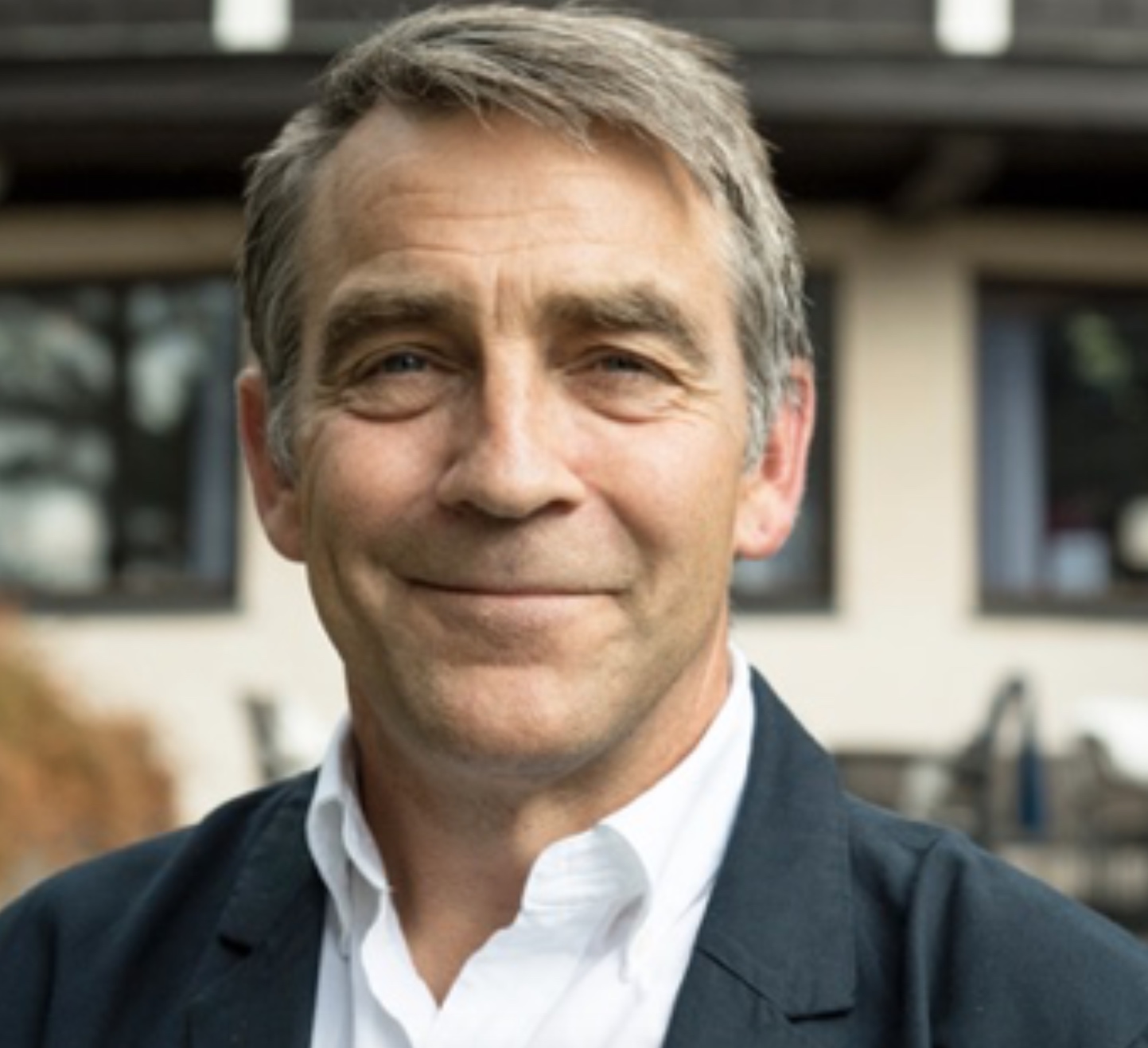
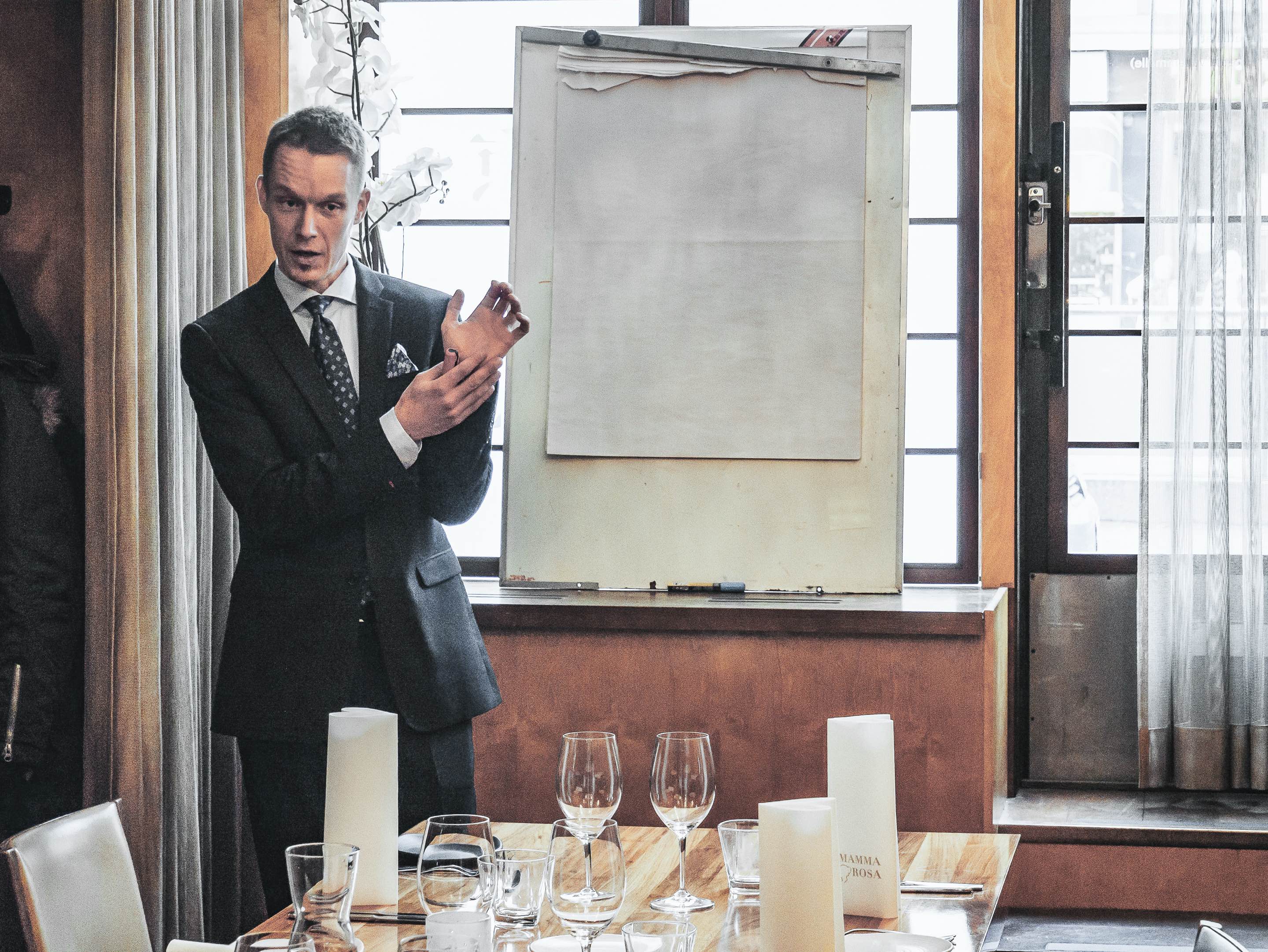
Dr. Teemu Karjalainen is a hand surgeon who hails from the city of Tampere. He tells me that he first became interested in the idea of placebo-controlled trials when he discovered the FIDELITY trial.
“The Fidelity Trial is totally crazy,” he told me, adding that he was “so surprised that the surgery didn’t actually work.” This was his entrée into the world of research. “It made me think: if this doesn’t work then what else doesn't work?” he said.
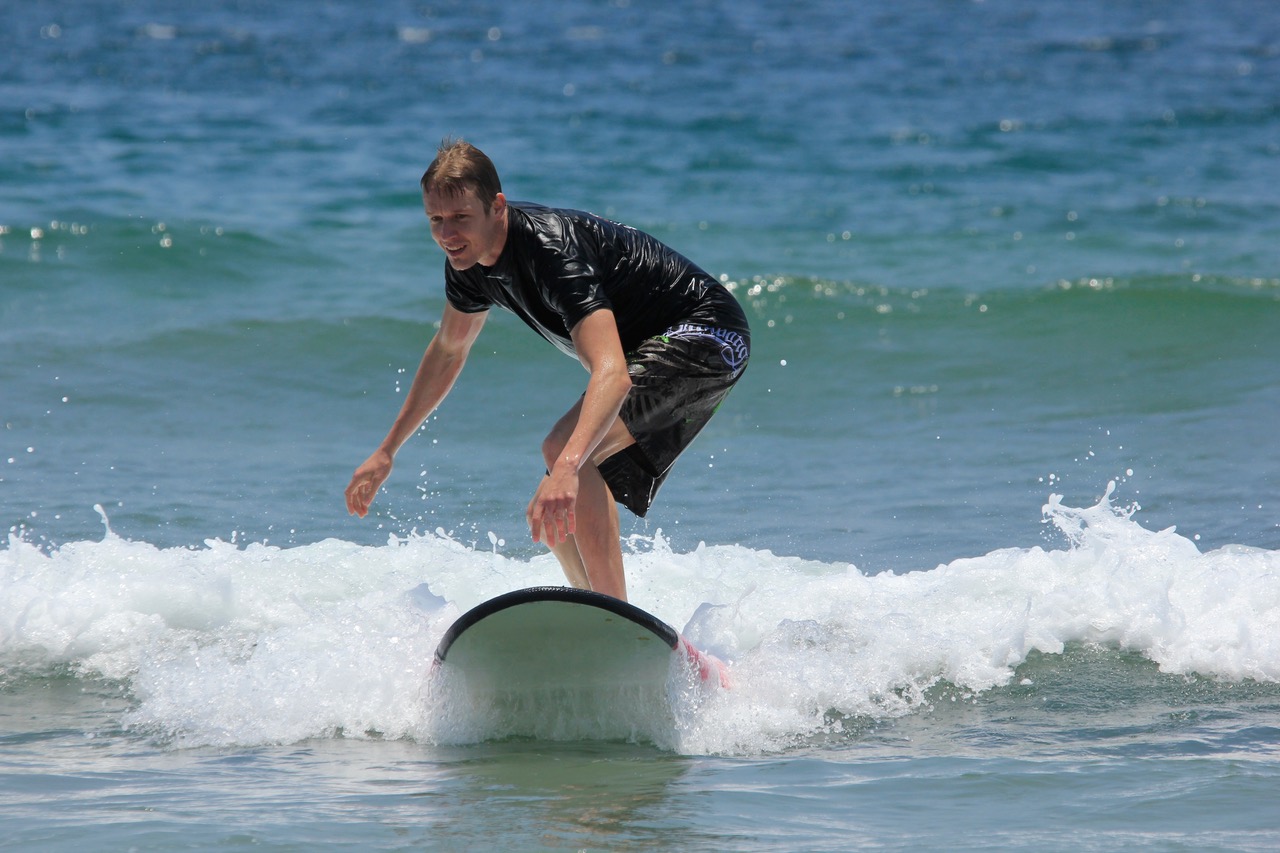
That trial, in Teemu’s words, “shattered my world”, and he soon launched himself into doing orthopaedic research. This was in 2016. Since then, he spent a year and a half stint in Melbourne, Australia working with Rachelle Buchbinder at Monash University. She is a leading Australian rheumatologist, clinical epidemiologist, and researcher known internationally for her work in musculoskeletal health, evidence-based medicine, and reducing unnecessary medical care.
As the head of Cochrane’s Musculoskeletal Health and Pain Thematic Group, Rachelle’s influence must have worked on Teemu as he became deeply involved in doing systematic reviews. He said that systematic reviews, while time consuming, are “the best way to discover the evidence gaps.” He has since authored several Cochrane systematic reviews around a variety of orthopaedic procedures including surgery for rotator cuff tears, tennis elbow and carpal tunnel syndrome.
Currently Teemu is working with FICEBO and beginning a trial on ganglion cysts of the wrist, which he says will take one or two years to recruit sufficient patients.
He is also involved in the FINCATs study, looking at surgery for carpal tunnel syndrome for which they are actively recruiting patients. Carpal tunnel syndrome (CTS) is a very common peripheral nerve compression neuropathy, and it affects up to 2% of men and 5% of women in Finland causing significant work disability.
The surgery for carpal tunnel might be considered gold standard, but there is little high-quality evidence supporting its efficacy. The Cochrane review in this area, which Teemu was part of, found there is no randomized controlled trial comparing carpal tunnel release with placebo surgery or no treatment. (This is the gap that FINCATS aims to fill)
He said: “The theory is that the surgeon makes cuts to the wrists which ostensibly gives more room for the nerves. In the past there were no randomized control trials or blinded studies but there were three non-blinded studies comparing with non-operative treatment. The effects are smaller than what we have expected but during the study participants switched to surgery (from non-operation group) thus muddling the results.
He says with a laugh, “As a hand surgeon if they find out that carpal tunnel surgery doesn't work then I am going to be in deep trouble.”
One of the aspects of appropriate medical intervention centres on variation, and this topic interests Teemu greatly. Pointing at a map of Finland he remarks on the great variation seen in many common procedures. In the bigger picture, there’s also international variation.
“For example,” he says: “in terms of carpal tunnel syndrome, the UK's numbers are about half those of Finland’s. In the UK about 80 per 100,000 people get the carpal tunnel syndrome surgery and Finland it's between 100 to 400 per 100,000 depending on the area. The variation inside Finland is even larger (4-fold) than between the UK and Finland.”
Clearly when there is such wide variation, where one jurisdiction does a procedure twice as frequently as another, there is a deep need to do the kind of quality research that FICEBO is known for, and to help assess whether these surgeries are all really that necessary.
Teemu is lean and fit, and I’m not surprised of his answer when I asked him what he does when he’s not doing surgery or developing surgical trials.
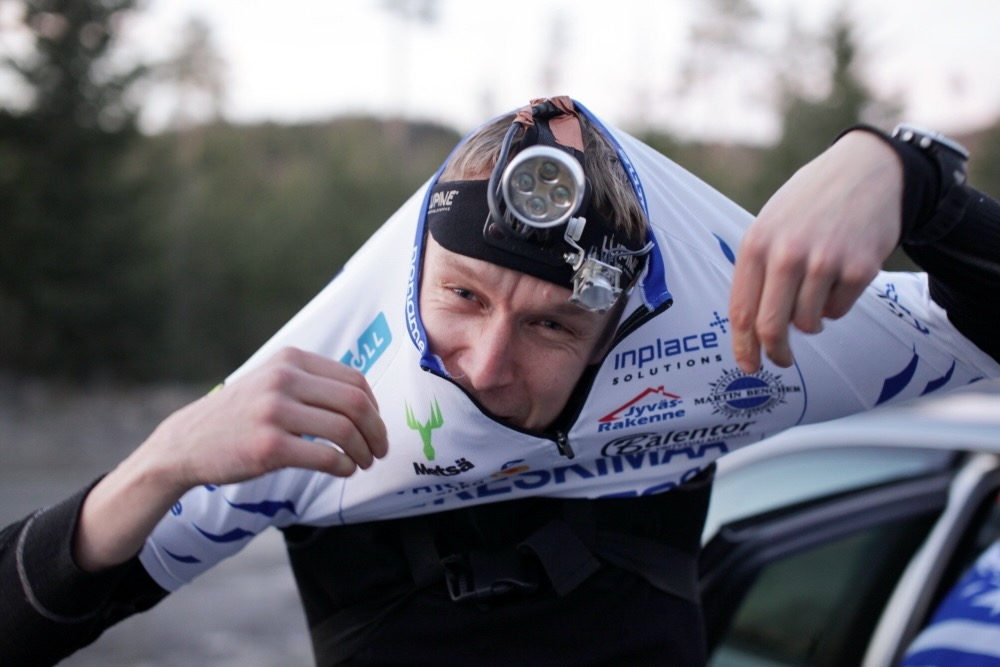
“I’m really heavily into orienteering and running,” he says, telling me about the marathon-style, relay-type races he does, mostly in orienteering competitions. If getting lost is your thing, imagine being in a race that is run throughout the night, so the participants must wear headlights. That’s how Teemu rolls and it appears that he’s pretty skilled at it.
I had to watch a video just to see what that was all about. It’s definitely hard-core, as you have to run fast, and think fast, all the while trying not to get lost.
“It’s a major sport in Finland”, Teemu says, and his team often finishes in the top 10% of their age category. I am not surprised as Teemu is a guy who clearly puts his whole heart into whatever he does.
Teemu is a family man too, married with three children.
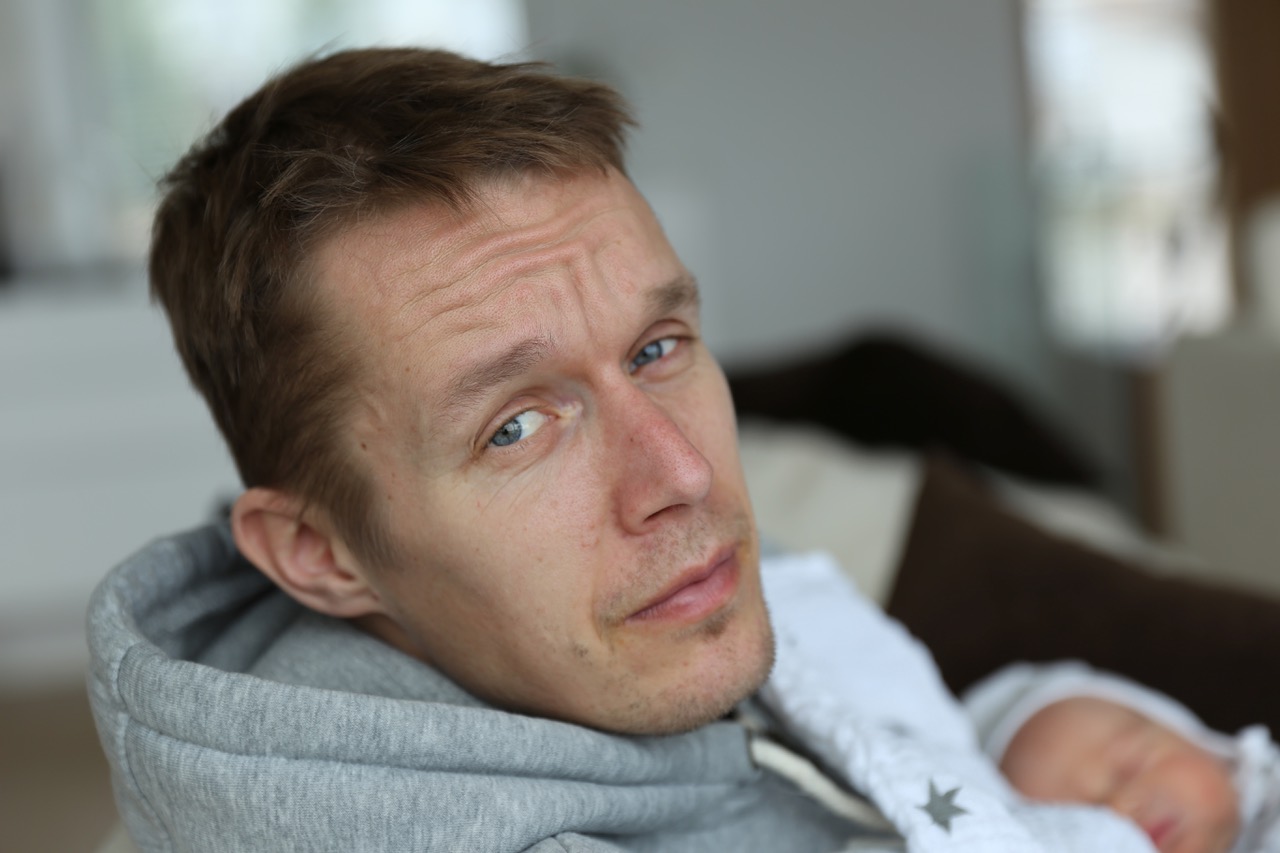
He tells me, “Nowadays whole family is involved in running and outdoor activities.” Basically, his family’s weekends are spent going to races or running in the woods.
We are very proud to have Teemu part of the FICEBO team and wish him every success in his hobby and plenty of easy-to-find controls on his orienteering courses.


Stay up to date
Follow FICEBO on social media to stay in the loop with our latest updates.
